 January 23 2026
TMT Bar Price Today in India: How to Avoid Overpaying
Understanding TMT Bar Price Today
TMT bar price today remains a critical buying concern. Steel costs directly affect overall construction budgets. Even small price differences impact large projects significantly.
Buyers must understand pricing before placing orders. Market rates fluctuate due to multiple factors. Not all price differences reflect actual quality variation. Informed buyers avoid overpaying through structured evaluation.
This guide explains how to assess the TMT steel price correctly. It also highlights practical ways to secure fair steel bar rates.
Why Tracking TMT Bar Price Today Matters
TMT bars form the core reinforcement of concrete structures. They handle tensile loads and structural stresses continuously. Any compromise affects safety and long-term performance.
Price volatility adds pressure to procurement decisions. Builders often rush purchases during rising markets. This leads to poor negotiation and overpayment.
Understanding the saria price today helps buyers plan purchases. It also improves cost control across construction phases.
Key Factors That Influence TMT Steel Price
TMT steel price depends on several interconnected variables. Ignoring these factors leads to misleading comparisons.
Raw Material and Scrap Prices
- Steel production relies heavily on iron ore and scrap. Global commodity prices influence domestic steel rates. Sudden increases are reflected directly in market pricing.
- Buyers should track commodity trends periodically. This helps anticipate short-term price movements.
Manufacturing Process and Steel Grade
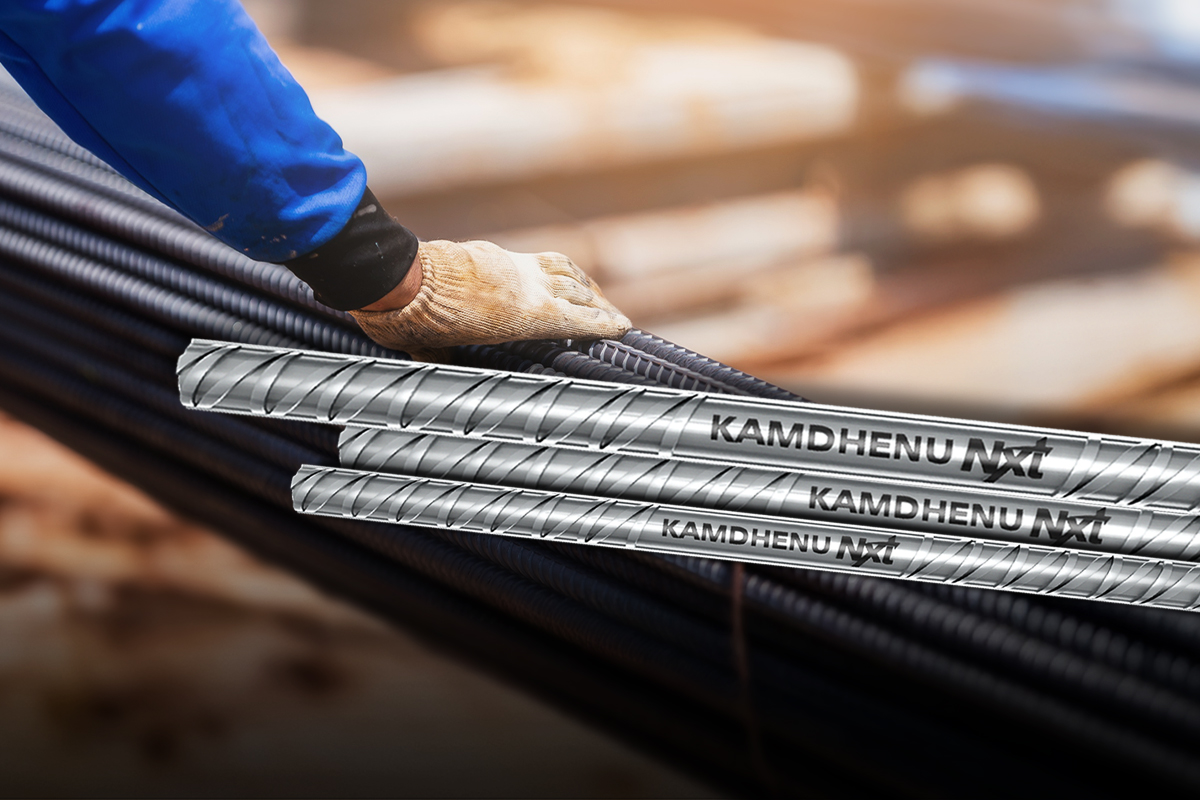
- Not all TMT bars are manufactured equally. Thermomechanical treatment improves strength and ductility. Controlled cooling requires higher operational discipline.
- Higher-grade steel often costs more per tonne. However, it may reduce overall steel consumption. This can lower the total project cost over time.
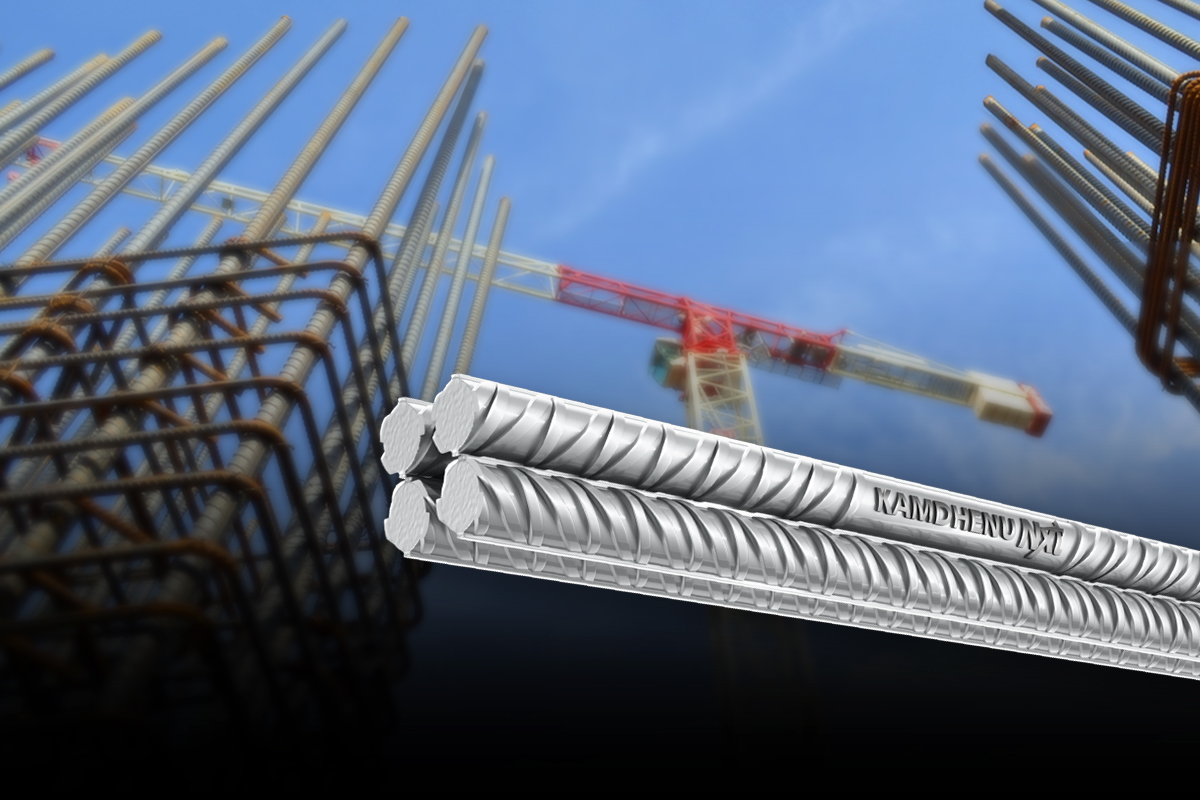
- Kamdhenu TMT bars use controlled manufacturing processes. This ensures consistency across batches and grades.
Transportation and Regional Availability
- Steel bar rate varies by location. Freight costs increase with distance from manufacturing units. Local demand also affects availability and pricing.
- Urban markets often show higher quoted rates. Bulk buyers can negotiate better freight arrangements. Understanding regional variation prevents unnecessary premiums.
- Understanding Price vs Quality Trade-Offs
Understanding Price vs Quality Trade-Offs
- Cheapest steel is rarely the most economical choice. Lower prices often indicate compromises in processing or testing. Such savings can cost more later.
- Inferior steel may require higher quantities. It may also increase maintenance or repair expenses. Structural failures carry far greater financial risks.
- Trusted brands price steel based on performance standards. They do not compete solely on discounting strategies.
How to Compare Steel Bar Rate Correctly
- Comparing steel bar rates requires standardization. Rates should be compared on the same grade and diameter. Weight tolerance must also be considered.
- Some suppliers quote lower prices using undersized bars. This reduces the actual steel weight supplied. Such practices distort price comparisons.
- Always verify actual weight against standard charts. This step alone prevents many overpayment scenarios.
Importance of BIS Certification in Pricing
BIS certification ensures compliance with IS standards. Certified steel undergoes defined mechanical testing. This adds assurance and traceability.
Certified TMT bars may cost slightly more. However, they offer predictable structural performance. Uncertified steel carries hidden risks and liabilities.
Kamdhenu steel products comply with relevant BIS norms. This compliance supports transparent and justified pricing.
Role of Dealer Network in Price Transparency
Authorized dealers play a critical role in fair pricing. They follow manufacturer-recommended pricing frameworks. They also provide proper invoices and documentation.
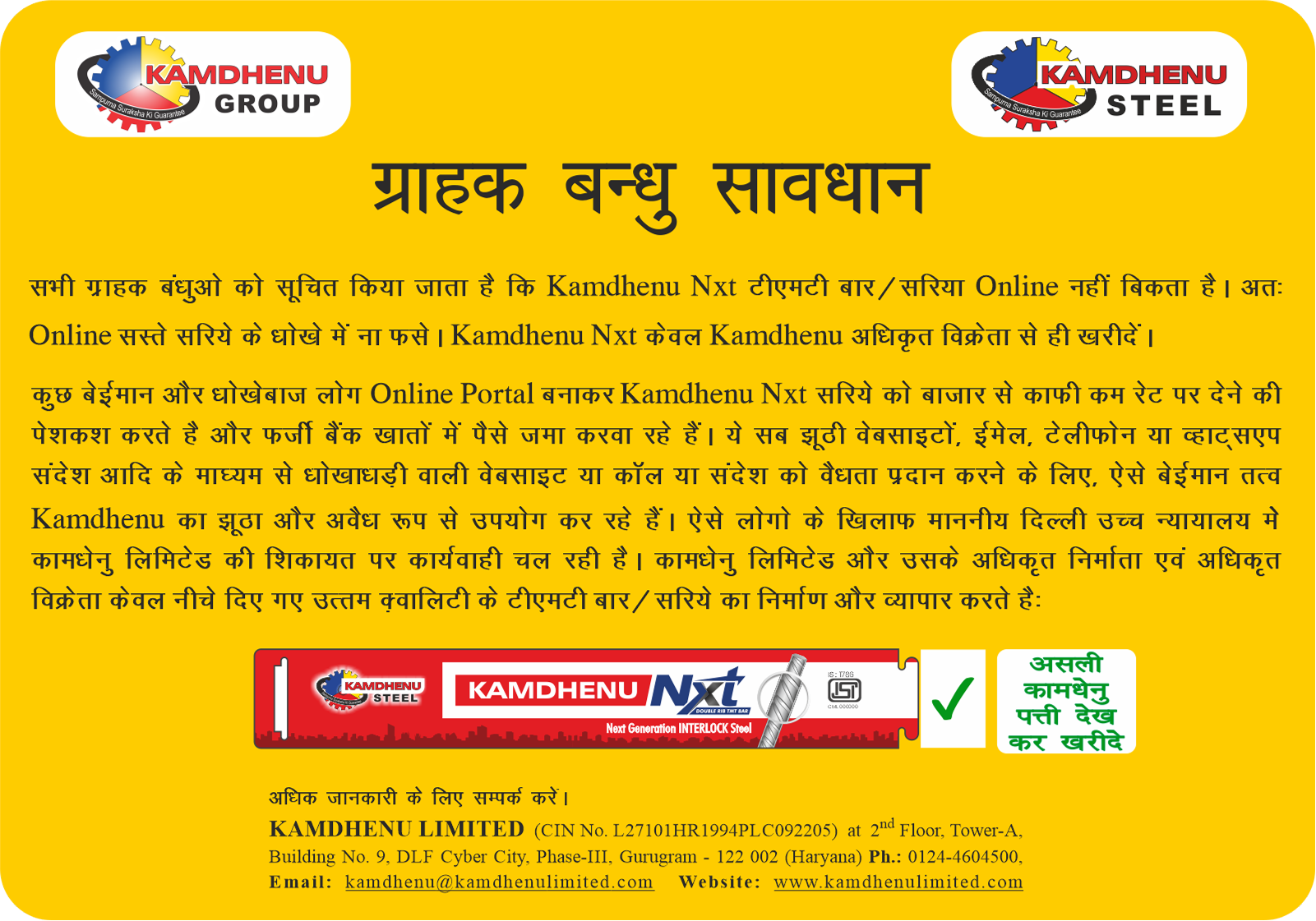
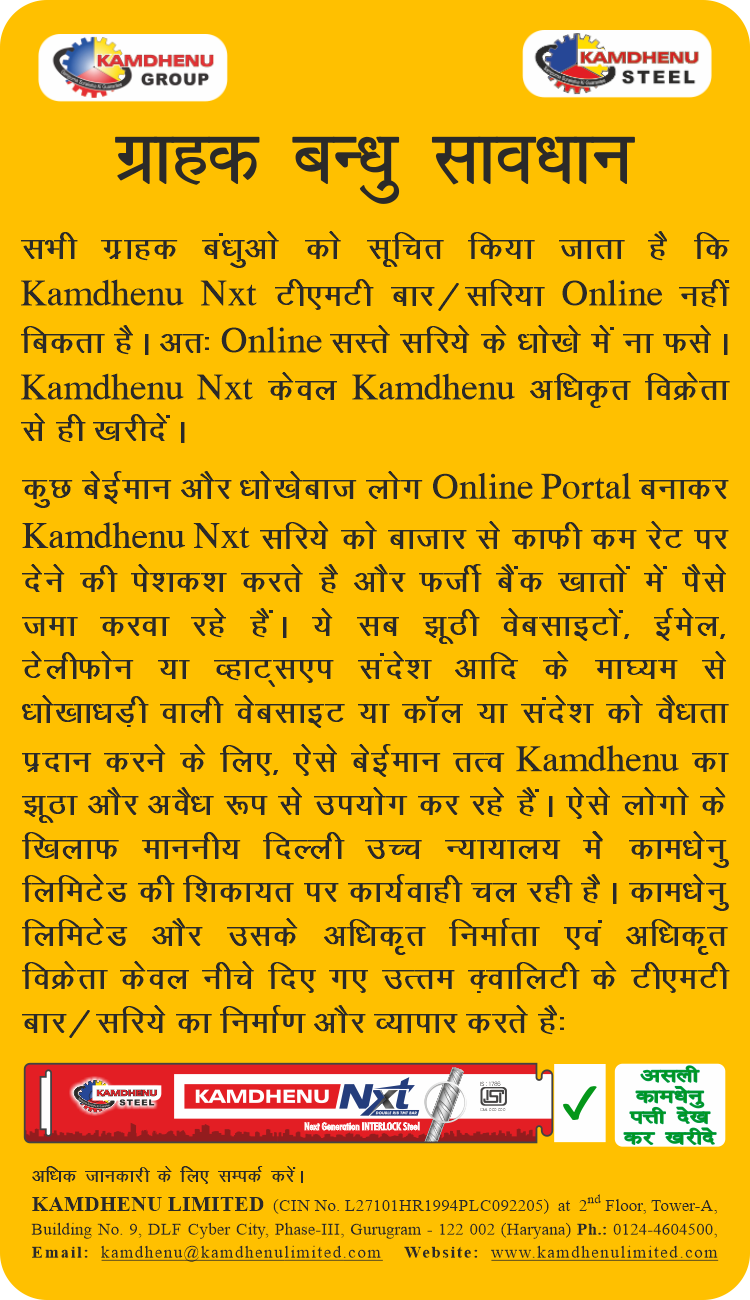
Unauthorized sellers may offer lower upfront prices. However, material authenticity becomes difficult to verify. Such purchases increase legal and structural risks.
Kamdhenu operates through authorized dealer networks. This helps maintain consistency in pricing and supply.
Bulk Purchasing and Negotiation Strategies
Bulk purchases allow better price negotiation. Suppliers offer discounts for higher volume commitments. Timing also influences negotiation outcomes.
Avoid panic buying during sudden price spikes. Prices often stabilize after short-term fluctuations. Planned procurement reduces exposure to volatility.
Request multiple quotations before finalizing suppliers. Compare terms, not just headline prices.
Hidden Costs Buyers Often Miss
Many buyers focus only on per-tonne pricing. They ignore handling, unloading, and wastage costs. These add up across large projects.
Inferior steel increases bending and cutting losses. Quality steel improves workability and efficiency. This reduces labour and material wastage.
Evaluating total cost provides better clarity. Price alone never tells the full story.
Why Brand Reputation Matters in Pricing
- Brand reputation reflects consistency and accountability. Established brands invest in process control and testing. These investments influence pricing structures.
- Top brands do not undercut prices unsustainably. They focus on delivering reliable steel performance. This approach benefits serious construction professionals.
- Kamdhenu’s market presence reflects long-term trust. That trust supports stable and transparent pricing.
When Paying Slightly More Makes Sense
Paying slightly more often reduces overall risk. High-quality steel improves structural reliability. It also ensures compliance with engineering designs.
Lower rejection rates save time and labour. Project timelines remain predictable. This has direct financial benefits.
Experienced buyers evaluate value, not just price. This mindset avoids costly compromises.
Practical Checklist Before Buying TMT Bars
Check the current TMT bar price today from multiple sources. Confirm grade, diameter, and BIS certification. Verify dealer authorization and invoice details.
- Inspect bar markings and weight tolerances.
- Request mill test certificates when required.
- Document everything before acceptance.
This disciplined approach prevents overpayment. It also ensures quality compliance.
Final Thoughts on Avoiding Overpayment
Tracking TMT steel price requires informed judgment. Market rates fluctuate, but quality standards remain constant. Buyers must balance cost with performance.
Understanding the saria price today improves negotiation confidence. Evaluating steel bar rate holistically protects investments. Trusted brands simplify this decision-making process.
For serious builders and engineers, steel selection matters. Paying the right price starts with choosing the right steel.