 January 27 2026
Steel Buying Checklist for Builders & Contractors
Steel buying decisions shape the outcome of every project. For builders and contractors, steel is not just a material. It is a structural responsibility.
Incorrect steel selection leads to long-term risks. These include cracks, repairs, and compliance failures. Price alone should never guide steel purchases.
This steel purchase guide outlines what professionals must check. It focuses on quality, compliance, and procurement discipline.
Why Steel Buying Needs a Structured Approach
Construction steel carries tensile loads continuously. Concrete depends on steel for structural stability. Any compromise weakens the entire system.
According to the National Building Code of India, material quality is a leading cause of structural defects. Steel ranks among the most critical materials.
A defined construction material checklist reduces such risks. It also improves cost control and execution consistency.
Understanding Steel Requirements at the Site Level
Different projects demand different steel specifications. Residential, commercial, and industrial sites vary in loads. Seismic zones require higher ductility standards.
Builders must align steel grades with structural drawings. Contractors must follow specifications without substitutions. Deviation at the site often leads to hidden failures.
Kamdhenu steel products are designed for varied applications. They meet the defined Indian Standards consistently.
Steel Buying Checklist: The Non-Negotiables
Before finalizing any steel order, confirm these basics.
Essential checks before purchase:
- BIS certification under the relevant IS standards
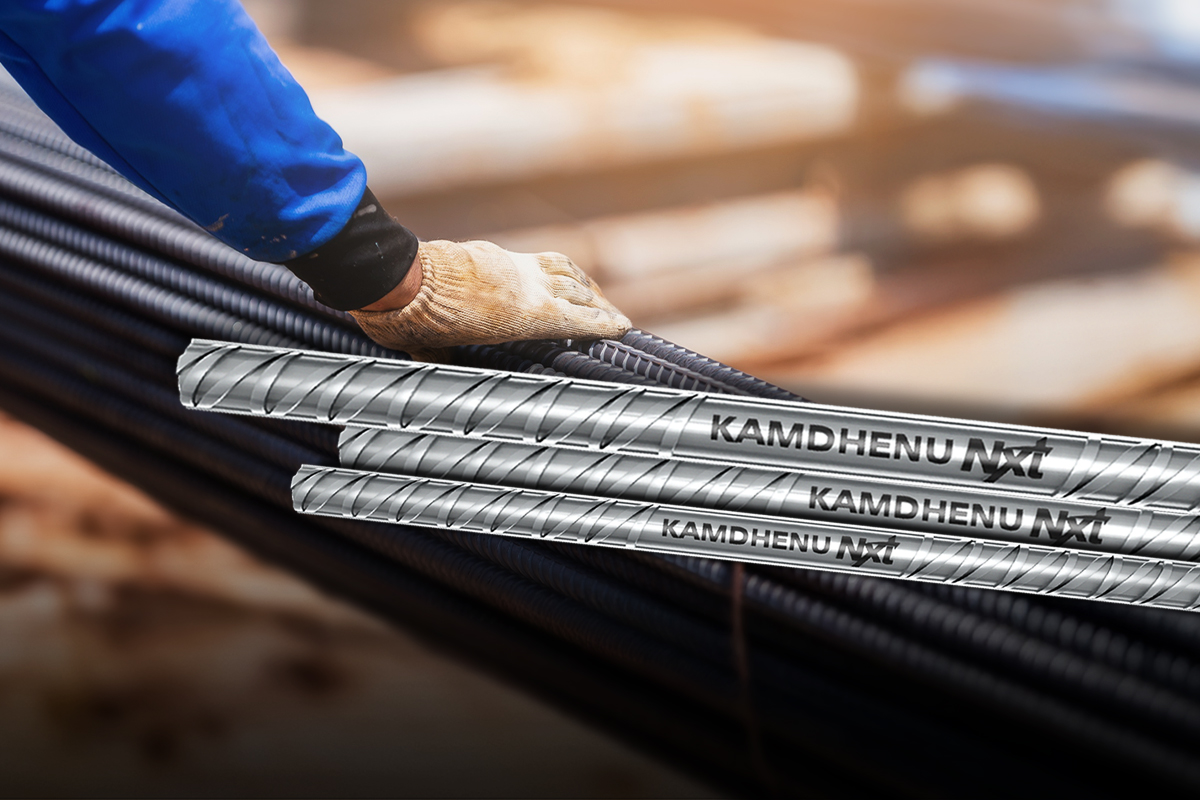
- Clear brand and grade markings on bars
- Consistent diameter and weight tolerances
- Availability of mill test certificates
- Purchase through authorized dealers only
This checklist eliminates most quality-related risks.
Experienced professionals follow it without exception.
TMT Bar Selection: What Builders Must Know
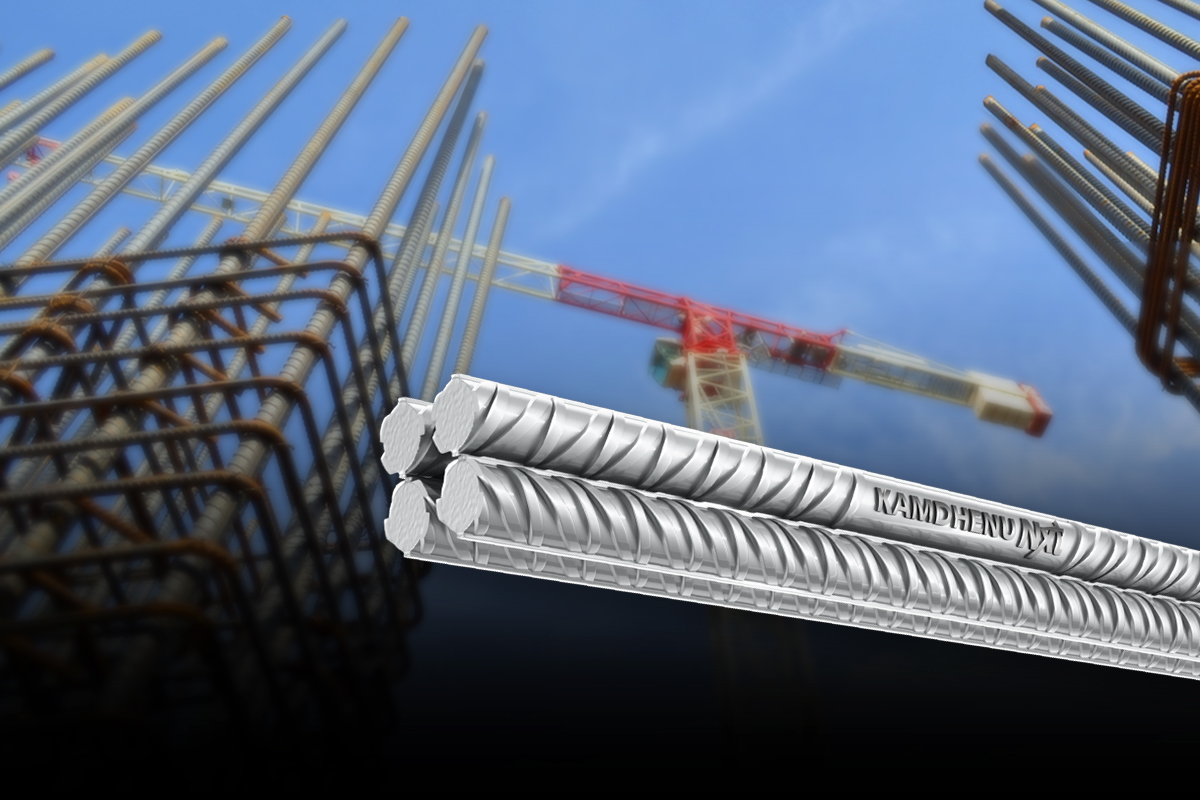
TMT bars remain the primary reinforcement material. Their performance depends on manufacturing discipline.
Thermo-mechanical treatment improves strength and ductility. The outer layer provides tensile strength. The core absorbs stress and vibration.
Key points for TMT bar selection:
- Prefer Fe 500/550 or Fe 500D/550D grades for structures
- Choose “D” grades in seismic regions
- Avoid unmarked or loosely branded bars
- Verify compliance with IS 1786 standards
Kamdhenu TMT bars follow controlled cooling processes. This improves performance in both normal and seismic conditions.
Why Ductility Matters More Than Just Strength
Higher strength alone is not sufficient. Ductility allows steel to deform before failure. This provides a warning instead of a sudden collapse.
According to IIT Roorkee seismic studies, structures with ductile reinforcement show lower damage levels. This is critical in earthquake-prone regions.
Builders should prioritize ductility during steel buying. It directly impacts occupant safety.
Weight and Diameter Verification on Site
Undersized steel bars remain a common issue. Lower weight reduces steel content silently. This weakens load-bearing capacity.
Contractors should verify random samples at delivery.
On-site verification steps:
- Measure bar diameter using vernier calipers
- Weigh bars against standard weight charts
- Reject significant negative tolerances
This simple practice prevents hidden cost overruns. It also ensures structural integrity.
Role of Certification and Documentation
Certified steel ensures traceability and accountability. Each batch links back to production records. This protects builders during audits and inspections.
BIS-certified steel meets minimum safety benchmarks. Non-certified steel lacks documented performance data. Using such steel increases legal and structural exposure.
Kamdhenu provides certification support across its products. This strengthens trust and compliance.
Price vs Quality: A Common Contractor Mistake
Low prices often attract bulk buyers. However, cheaper steel usually hides compromises. These include lower steel content or poor processing.
Inferior steel increases wastage during bending and cutting. Labour productivity also suffers. Final project cost often exceeds initial estimates.
According to the World Steel Association, quality steel improves service life by up to 30 percent. This offsets marginal price differences significantly.
Importance of Authorized Dealer Networks
Dealer selection impacts steel authenticity. Unauthorized sellers may offer discounted rates. However, traceability becomes difficult.
Authorized dealers follow manufacturer pricing frameworks. They provide invoices and certification documents. They also ensure a consistent supply.
Kamdhenu operates a nationwide authorized dealer network. This reduces counterfeit risks significantly.
Construction Material Checklist Beyond Steel
Steel does not work in isolation—compatibility with other materials matters.
Builders should ensure:
- Proper concrete grade compatibility
- Correct cover blocks and spacers
- Clean storage conditions at the site
- Protection from moisture and contamination
Steel performance depends on site handling. Even high-quality steel fails if misused.
Storage and Handling Best Practices
Improper storage causes early corrosion. Steel should never rest directly on soil. Moisture exposure weakens surface integrity.
Recommended practices:
- Store steel on raised platforms
- Cover with waterproof sheets
- Avoid mixing different grades
These steps preserve steel quality until usage.
Why Kamdhenu Aligns with Professional Steel Buying
Kamdhenu follows process-driven manufacturing systems. Its products comply with Indian Standards consistently. Controlled cooling improves ductility and strength balance.
The brand focuses on application-specific steel solutions. This supports residential and industrial requirements alike. Authorized dealer networks ensure material authenticity.
For builders and contractors, this reliability matters.
Key Industry Facts Every Buyer Should Know
- Over 60% of construction defects trace back to material issues (Source: National Institute of Construction Management and Research)
- Certified steel reduces structural repair costs by up to 25% (Source: World Steel Association)
- Ductile reinforcement improves seismic performance significantly (Source: IIT Madras structural studies)
These facts underline the value of proper steel selection.
Final Thoughts: Make Steel Buying a Process, not a Purchase
Steel buying should never be impulsive. It must follow defined technical and procurement checks. This protects both structure and reputation.
A clear steel purchase guide simplifies decisions. Proper TMT bar selection ensures long-term safety. A strong construction material checklist prevents costly errors.
For builders and contractors, steel is accountability. Choosing the right steel means choosing confidence.